
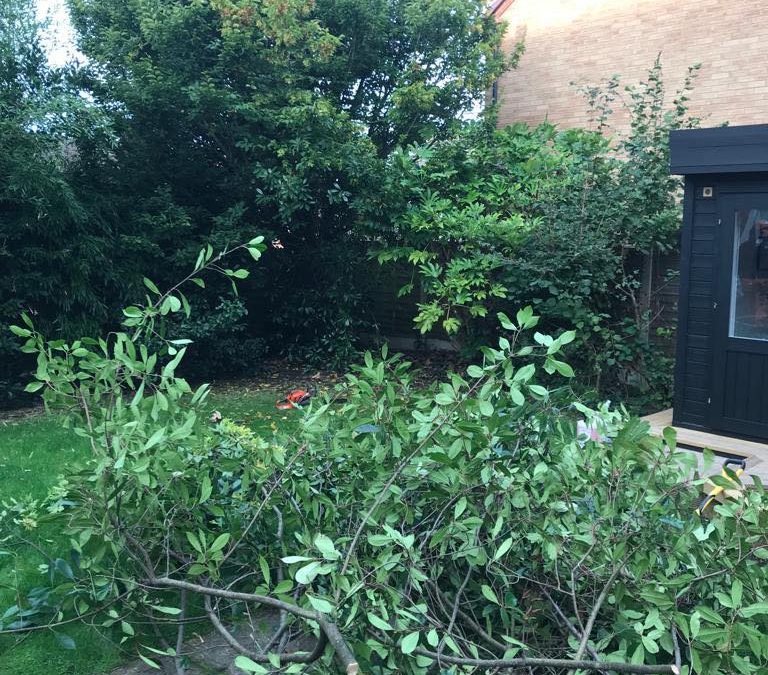
Before any chainsaw touches a branch or a stump is ground away, a proper tree surgery assessment should take place. Every tree is different—its species, age, condition, location, and the environment around it all shape what kind of care it needs. A professional assessment is about identifying risks, understanding the tree’s health, and working out the most appropriate solution rather than guessing. For homeowners and businesses in Stafford, that assessment is where good tree work begins.
Why Is a Tree Surgery Assessment Important?
A tree surgery assessment is not a box-ticking exercise. It is the foundation for every decision that follows. Without a proper inspection, tree work becomes reactive rather than planned—and that is when problems occur.
A thorough assessment helps identify structural weaknesses, potential hazards, disease, decay, and issues caused by uncontrolled growth. It also prevents unnecessary cutting or removal. Sometimes a tree that looks like it needs drastic work can be preserved through careful maintenance and monitoring. A good assessment answers a simple question: what does this tree actually need, rather than what is the quickest thing to do?
What Do Tree Surgeons Examine During an Assessment?
Tree Health and Signs of Disease
Professionals examine the leaves, branches, bark, and trunk for visible signs of disease, decay, pest infestation, and overall decline. This is not just a glance from the ground. It involves looking at leaf coverage, growth patterns, fungal bodies, lesions, and dieback in the canopy. The goal is to catch problems early enough that there is still a choice about how to respond.
Structural Stability and Branch Condition
Tree surgeons evaluate the trunk, root system, branch attachments, and overall structure to identify weaknesses that could lead to falling branches or instability. A tree can look perfectly healthy from the outside while hiding a decayed anchor point or a weak union where two limbs meet. Structural assessment is particularly important for larger trees near property or public spaces, where failure is not simply an inconvenience but a genuine safety concern.
Tree Position and Surrounding Property
Where a tree sits matters as much as what condition it is in. The proximity of trees to buildings, fences, driveways, roads, and neighbouring properties directly influences what work can be done and how it should be carried out. A tree that would be straightforward to prune in an open field becomes a very different job when it is leaning over a conservatory or growing close to overhead lines. Access, safety zones, and the risk of damage to surrounding surfaces all feed into the recommendation.
Root Growth and Ground Conditions
Roots are often the unseen factor in tree stability. Examining the surrounding ground and visible root system helps identify potential stability concerns, drainage interference, and damage to nearby surfaces such as patios or driveways. Soil compaction, drainage issues, and root plate movement can all signal underlying problems that are not obvious from the canopy alone. This is also where a local tree surgeon might advise that a seemingly healthy tree needs monitoring rather than immediate work.
How Do Tree Surgeons Determine the Right Tree Work?
The findings from the assessment determine the recommendation. Good tree surgeons do not apply the same solution to every tree. They match the work to the tree, the site, and the client’s objectives.
Pruning and Crown Management
Selective pruning, crown thinning, crown lifting, or crown reduction may be appropriate to improve tree structure and manage excessive growth. The specific technique depends on the species and what the assessment reveals. For example, crown thinning improves light penetration and air movement without changing the tree’s overall shape, while crown reduction is used when height or spread needs to be controlled. A competent arborist works to British Standard BS 3998, which is why a reputable professional will refuse to “top” a mature tree—the practice is outside accepted pruning standards and causes long-term damage.
Tree Removal and Dismantling
Removal is recommended when a tree is dead, severely damaged, or presents an unacceptable safety risk. This is never the first option unless the assessment shows it is the only sensible one. Where removal is necessary, dismantling may be required rather than straightforward felling, particularly in confined spaces or near buildings. Sectional dismantling allows the tree to be taken down in controlled pieces, minimising risk to surrounding property.
Stump Grinding and Site Clearance
Following tree removal, stump grinding may be recommended to make the area more usable and improve the appearance of the garden. Leftover stumps can be trip hazards, harbour pathogens, and get in the way of replanting or landscaping. Grinding the stump below ground level allows the space to be reclaimed and the site to be left clean and practical.
What Factors Influence the Cost of Tree Surgery?
Tree work costs vary considerably because the variables are significant. The size and condition of the tree, accessibility, equipment requirements, complexity of the work, and waste removal all affect the estimate. A small ornamental tree with easy access is a very different proposition from a large mature tree overhanging a structure with restricted access.
This is why an on-site assessment matters for pricing. It allows the contractor to see exactly what is involved—the access route for machinery, the presence of obstacles, the volume of arisings to remove—and provides a more accurate quotation. It also gives the property owner a chance to understand the work involved before making a decision. If you are comparing quotes from tree surgeons in Stafford, the assessment visit is where clarity replaces guesswork.
Why Professional Expertise Matters When Assessing Trees
Tree assessment requires more than a casual knowledge of trees. It draws on experience, appropriate qualifications, insurance, and rigorous health and safety procedures. A qualified professional understands species-specific growth habits, recognises the early signs of decay, and knows when a tree poses a risk that needs immediate action.
Insurance is equally important. Tree work carries a high risk of injury and third-party damage, and an uninsured contractor dropping a limb through a roof becomes the property owner’s problem. When choosing a tree surgeon in Stafford, asking for proof of qualifications and insurance is not unreasonable—it is essential. Experience matters, but it should be backed by proper credentials and safe working practices.
Why Choose Timber Dan’s for Professional Tree Surgery?
Timber Dan’s is a family-run tree care and management business serving Stafford and the surrounding areas. The team offers a full range of services, including tree felling, stump grinding and removal, crown thinning, dead tree removal, crown reduction, hedge maintenance, and garden clearance.
The business is fully insured and qualified, with Lantra and City & Guilds qualifications, and has held Alcumus SafeContractor accreditation since 2020. Timber Dan’s works with both domestic and commercial customers and aims to provide reliable tree care, complete work, and competitive quotations. The approach is straightforward: honest advice about what is best for the health of the tree, carried out by a team that leaves the site tidy and the customer informed.
Arrange a Professional Tree Surgery Assessment
Assessing a tree before carrying out work is not a delay—it is the step that protects the tree’s health, manages potential hazards, and safeguards the surrounding property. Whether the tree needs a light prune, a structural overhaul, or removal, the right decision comes from proper inspection.
If you have a tree that needs attention, contact Timber Dan’s to discuss your requirements, arrange an assessment, and request a free, no-obligation quotation.