
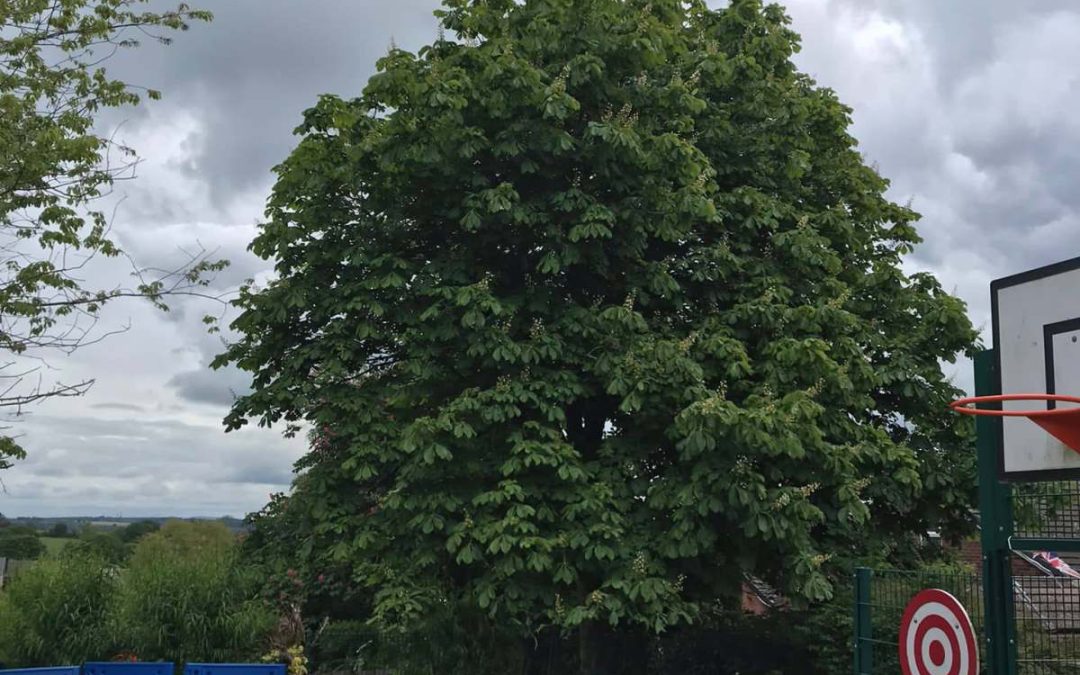
Many homeowners assume that because a tree is on their own property, they’re free to prune or remove it whenever they like. In reality, there’s a legal side to tree work that catches people out more often than you’d think — and getting it wrong can result in unlimited fines. Before booking any tree surgery in Telford or elsewhere, it’s worth understanding exactly when permission is required and when it isn’t.
Tree Preservation Orders Explained
A Tree Preservation Order (TPO) is a legal designation that protects specific trees or groups of trees from being cut down, topped, lopped, uprooted, or wilfully damaged without council permission. Local authorities issue TPOs to protect trees that provide significant amenity value to an area — often due to their age, species, size, or contribution to the local landscape.
If a tree on your property has a TPO attached to it, you must apply to your local council before any work takes place, even something as minor as crown lifting or deadwood removal. Ignoring this isn’t a minor administrative slip — unauthorised work on a protected tree is a criminal offence.
How to Check If a Tree Is Protected
Before any pruning or felling work begins, it’s essential to check whether a TPO applies. This can typically be done by:
- Contacting your local council’s planning department directly
- Checking the council’s online interactive TPO map, where available
- Asking a qualified tree surgeon to check on your behalf, as most reputable companies will do this as standard practice before quoting
It’s also worth noting that trees within a Conservation Area carry additional protections, even without a specific TPO in place. In these zones, councils must usually be notified at least six weeks before any work is carried out, allowing them to object or impose a TPO if they consider the tree particularly significant.
What Happens If You Skip This Step
The consequences of carrying out unauthorised work on a protected tree can be severe. Under UK law, this can result in:
- Unlimited fines in Magistrates’ or Crown Court, depending on the severity of the case
- A legal requirement to replant a tree of similar size and species at your own expense
- Potential complications when selling a property, particularly if unauthorised work has affected a protected or conservation area tree
Given these risks, the small delay involved in checking for a TPO is a minor inconvenience compared to the potential legal and financial fallout.
When Permission Isn’t Required
Not all tree work requires a TPO check. Permission generally isn’t necessary when:
- The tree isn’t subject to a TPO and isn’t within a conservation area
- The work involves dealing with a genuinely dangerous tree posing an immediate risk to public safety — though even in emergencies, councils should usually be notified after the fact.
- Basic maintenance work, such as removing dead branches from an unprotected tree, is being carried out.t
That said, “dangerous tree” exemptions are often misunderstood and misused. A tree simply being inconvenient, blocking light, or dropping leaves does not qualify as an emergency safety issue under the law.
Why a Professional Assessment Matters
This is exactly where working with a qualified, experienced tree surgeon becomes invaluable. A professional won’t just carry out the physical work — they’ll check for TPOs, confirm conservation area status, and handle the necessary council applications on your behalf. This removes the guesswork and legal risk entirely, while ensuring the work itself is carried out safely and to a high standard.
Getting Started the Right Way
If you’re planning any tree work, whether it’s a simple prune or a full removal, the first step should always be establishing the legal status of the tree in question. A reputable provider of tree surgery Telford homeowners trust will factor this into their process from the outset, saving you from unexpected fines and ensuring the work is fully compliant from day one.